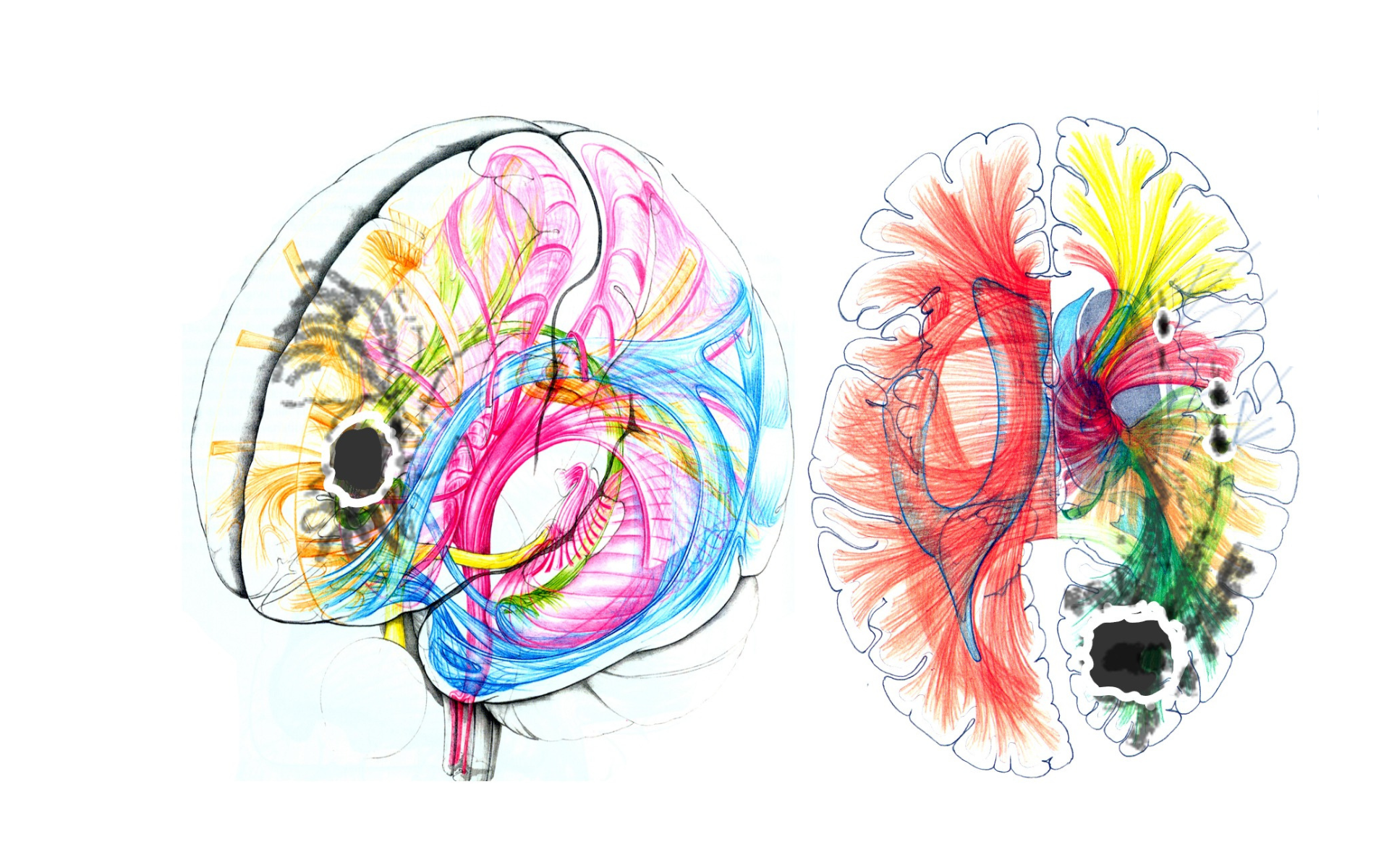
Top-Tier Neuro-Oncological Care for Malignant Brain Tumors

Brain Tumor: Causes, Symptoms, and Therapy

A malignant brain tumor is a diagnosis that instantly changes the lives of those affected and their families. The news of a tumor in the brain triggers fear and many questions: Is a brain tumor curable? What to do if the tumor recurs? What does the treatment look like, and what are the prognosis and life expectancy?

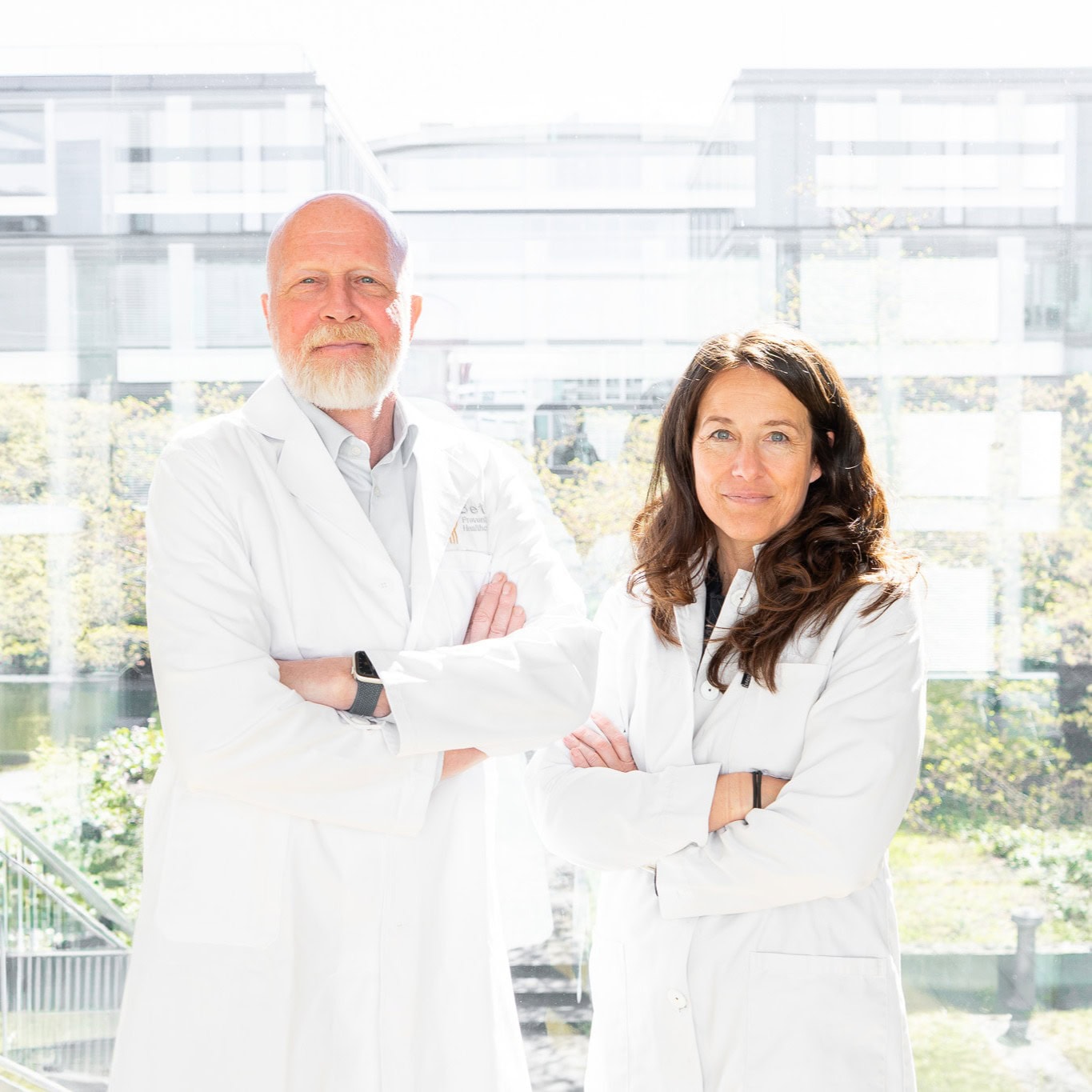
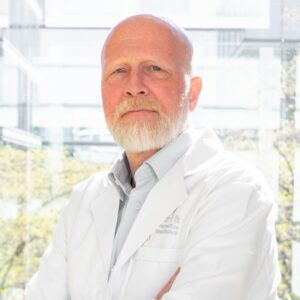
In the Neuro-Oncology department at Beta Klinik Bonn, we accompany you on this challenging journey with experience, empathy, and innovative medical procedures. Prof. Dr. med. Michael Sabel and Prof. Dr. med. Marion Rapp are among the leading experts for brain tumors in Germany. They bring not only years of clinical experience but also profound knowledge from top-tier university medicine. In our neuro-oncology department, we offer you individualized, modern, and compassionate treatment for malignant brain tumors – always with the goal of providing you with the best possible therapy. You, as a person, are always the focus.

Center for Neurosurgical Neuro-Oncology at Beta Klinik

Make an appointment with our specialists at the Beta Clinic in Bonn.

Visualase Neuro-Zentrum

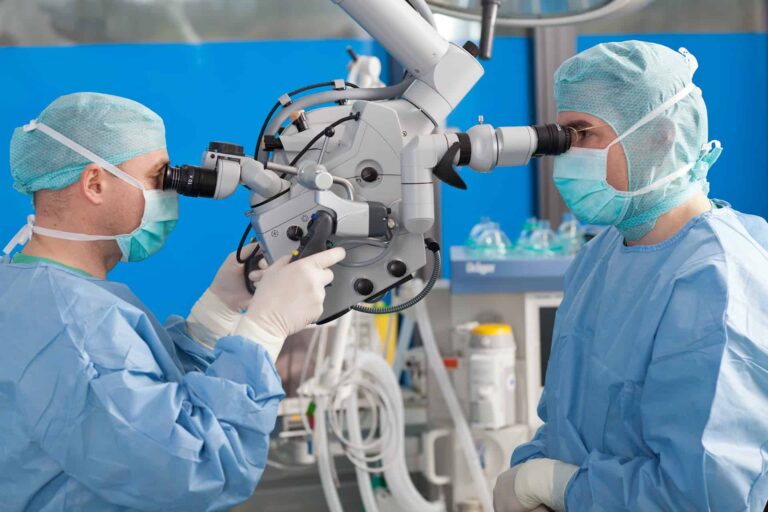
Innovative Medtronic Visualase Technology for Treating Brain Tumors

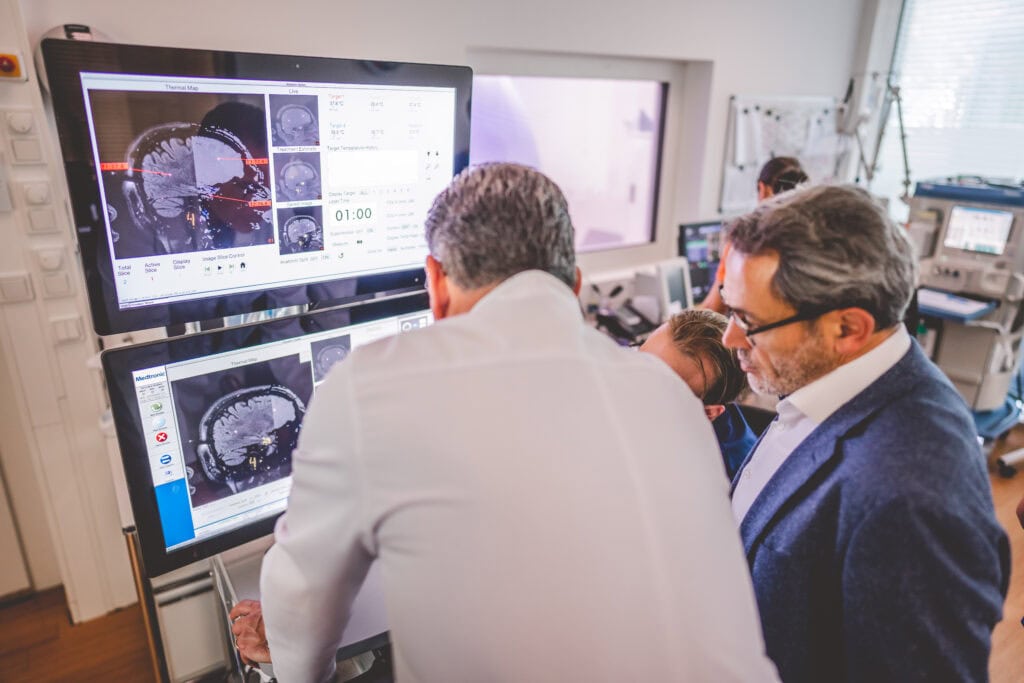
Medtronic’s Visualase therapy is an innovative laser procedure for treating various neurological diseases. Particularly in the treatment of brain tumors, Visualase therapy is a promising treatment method that significantly reduces the risk of complications due to its minimally invasive nature.
Using state-of-the-art laser ablation and imaging technology, Visualase technology offers a precise and minimally invasive solution for treating tumors in the head.
Learn more about Visualase therapy.

Brain Tumors: Benign and Malignant Tumors

Not all brain tumors are the same: there are many different types of tumors in the brain and skull. Fundamentally, a distinction is made between benign and malignant brain tumors.

Benign Tumors: Treatment of Benign Brain Tumors

The most frequently occurring intracranial (i.e., located within the skull) tumors include benign brain tumors. They usually grow more slowly but still press on surrounding structures and can thereby cause serious symptoms. They do not form secondary growths in other organs (no metastases) and are often curable with surgery. Common benign brain tumors are, for example, meningiomas (tumors of the meninges) or acoustic neuromas (tumors of the hearing and balance nerve). These can often be completely removed through microsurgical operation, whereby the tumor is considered cured.

Malignant Tumors: Treatment of Malignant Tumors in the Head

In contrast to benign brain tumors, malignant brain tumors usually grow invasively into the surrounding brain tissue and can spread rapidly if left untreated.

  • Some malignant tumors in the head arise as brain metastases – meaning secondary growths from cancers outside the brain (e.g., lung, breast, or skin cancer that spread tumor cells to the brain via the bloodstream).
  • Other malignant brain tumors originate primarily in the brain itself, such as gliomas. Gliomas are brain tumors that arise from the support cells of the brain (glial cells); these include astrocytomas, oligodendrogliomas, and the most aggressive form, glioblastoma.

Brain Tumors: WHO Classification of Tumors of the Central Nervous System

Physicians classify brain tumors into WHO grades (Grade 1–4) for better assessment of their aggressiveness. A WHO Grade 1 tumor is usually benign and slow-growing, whereas WHO Grade 4 describes a highly malignant brain tumor. Glioblastoma corresponds to WHO Grade 4 – it is the most common malignant brain tumor in adults and grows particularly quickly and infiltratively.
Unfortunately, a malignant brain tumor of the highest grade is rarely curable. Nevertheless, there are therapies today that can extend and improve life expectancy and quality even with aggressive tumors. Every tumor disease is different – we therefore place great value on thorough diagnosis and individualized therapy planning by our experienced neuro-oncology team in Bonn.
In addition to classification by grade, the so-called grading, there are other classifications for tumors of the central nervous system according to the WHO.
The new WHO classification (2021) combines microscopic appearance and genetic testing for more precise diagnoses and therapies.

Die neue WHO-Einteilung (2021) kombiniert mikroskopisches Aussehen und Gentests für genauere Diagnosen und Therapien.

Typ Grad Merkmale
Diffuse low grade gliomas Grad 2 Slow growing, IDH mutated
– Astrocytoma, IDH-mutated Grad 2-4 No 1p/19q-codeletion.
– Oligodendroglioma, IDH-mutated & 1p/19q-codeleted Grad 2-3 better response to therapy
Diffuse high grade gliomas Grad 3-4 faster growing.
– Glioblastoma, IDH-wildtype Grad 4 Most aggressive type.


The WHO grades significantly influence the treatment strategy and life expectancy. For example, Grade 1 or Grade 2 gliomas can sometimes be curable, while for Grade 3 or 4, the goal is long-term control of the brain tumor.

Individualized Treatment and Therapy at the Brain Tumor Center at Beta Klinik Bonn

Neurochirurg Prof. Dr. Michael Sabel

“For decades in university medicine, we have set new standards for the individualized treatment of brain tumor patients. We had to accept the limitations of the public health system for our patients. Now we are taking a new path – for us and our patients.”

“We view our patients, their illness, and their environment individually.”

Prof. Dr. med. Marion Rapp Facharzt für Neurochirurgie, Medikamentöse Tumortherapie, Neuroonkologischer Neurochirurg
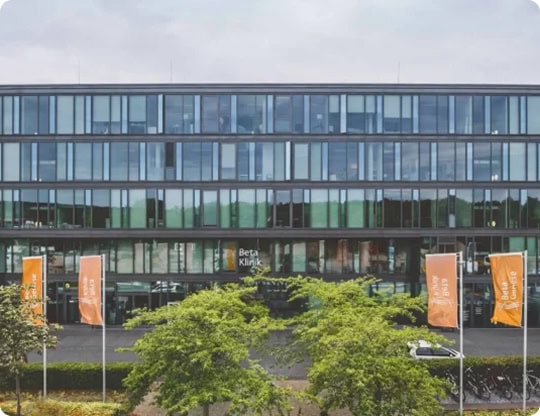
Frontale Aufnahme der Beta Klinik von außen.

Make an appointment with the neuro-oncologists at Beta Klinik Bonn

Feel free to upload all your findings and documents in our online portal, and we will arrange an appointment with you.

Common Brain Tumor Types: Glioblastoma, Glioma, Metastases, Recurrence

Every brain tumor diagnosis is unique – and we tailor your therapy just as individually. At the Center for Neuro-Oncological Neurosurgery at Beta Klinik Bonn, we combine highly specialized medical expertise with state-of-the-art medical technology and the freedom of an independent private clinic. This means for you: tailored treatment strategies, an interdisciplinary team with years of experience, and an environment where quick decisions are possible without unnecessary waiting times. Especially for complex tumor types like glioblastoma, tumor recurrences, or brain metastases, our center is a sought-after point of contact – even for patients who are considered to have exhausted treatment options elsewhere.
We carefully review each case and discuss all therapy options with you on an equal footing – whether established procedures or access to innovative studies and immunotherapies. Learn about the most common brain tumor types below – and find out how we treat you individually.

When a brain tumor returns, it is called a tumor recurrence – a diagnosis that can be associated with great
Brain metastases are secondary growths or “daughter tumors” of malignant tumor cells from other body regions that spread to the
Gliomas are among the most common brain tumor diseases. They arise from so-called glial cells – the "support and supply
A glioblastoma is a diagnosis that suddenly changes life – with many open questions and understandable worries. At the Center

Access to Innovative Therapies and Studies for Brain Tumor Treatment

Through our intensive research activity and close cooperation with scientific partners, you gain access to innovative treatment options – including targeted medications, personalized immunotherapies, and individual tumor vaccines.
We carefully review whether participation in clinical studies is an option for you, to provide you with early access to new therapy options – responsibly, individually, and scientifically sound.
Do you have questions about the treatment or uncertainties regarding the findings upload? Our patient management team is happy to assist you.

Brain tumor symptoms

Brain tumor symptoms can be very diverse and depend heavily on the location, size, and growth rate of the tumor. Generally speaking: A brain tumor causes discomfort because it displaces or impairs healthy brain tissue and, due to the lack of space in the skull, increases pressure inside the head. Some symptoms develop gradually over weeks and months, others occur suddenly. Important to know: None of these symptoms alone proves the presence of a brain tumor! However, persistent or unusual complaints should always be medically clarified.
The most common symptom of brain tumors is headaches. Typically, these can be newly occurring, unusually severe headaches – often in the morning after waking up or exacerbated by coughing, straining, or changing position, when intracranial pressure rises. Many affected individuals complain of a diffuse feeling of pressure in the head. Sometimes patients report blurred vision when standing up or a brief rushing sound in the head – such symptoms can be caused by a short-term increase in intracranial pressure.

Common Symptoms of Brain Tumors at a Glance

Headaches
Epileptic seizures
Personality changes
Concentration difficulties
Fatigue, decreased performance
We Won’t Leave You Alone

Life Expectancy with a Brain Tumor

Life expectancy with a brain tumor depends heavily on the tumor type, WHO grade, and response to therapy. While benign brain tumors can often be completely operated on, and life expectancy is then not limited, malignant tumors like glioblastoma (Grade 4) are associated with a more serious prognosis. Here, a combination of surgery, radiation, and chemotherapy is often necessary to slow growth and gain valuable lifetime. Decisive is always an individual treatment plan, as we offer at the Neuro-Oncology department of Beta Klinik.
Note: Statistical prognoses are not fixed guidelines – we regularly experience that patients with high-grade tumors live for many years when therapy, lifestyle, and care interact optimally.

Lebenserwartung bei einem Hirntumor

Die Lebenserwartung bei einem Hirntumor hängt stark von der Tumorart, dem WHO-Grad und dem Therapieansprechen ab. Während gutartige Hirntumore häufig vollständig operiert werden können und die Lebenserwartung dann nicht eingeschränkt ist, sind bösartige Tumore wie das Glioblastom (Grad 4) mit einer ernsteren Prognose verbunden. Hier ist oft eine Kombination aus Operation, Bestrahlung und Chemotherapie nötig, um das Wachstum zu bremsen und wertvolle Lebenszeit zu gewinnen. Entscheidend ist dabei immer ein individueller Therapieplan, wie wir ihn an der Neuroonkologie der Beta Klinik anbieten.

Hinweis: Statistische Prognosen sind keine festen Vorgaben – wir erleben regelmäßig, dass Patientinnen und Patienten mit hochgradigen Tumoren viele Jahre leben, wenn Therapie, Lebensstil und Betreuung optimal zusammenspielen.
Causes and Risk Factors of a Brain Tumor

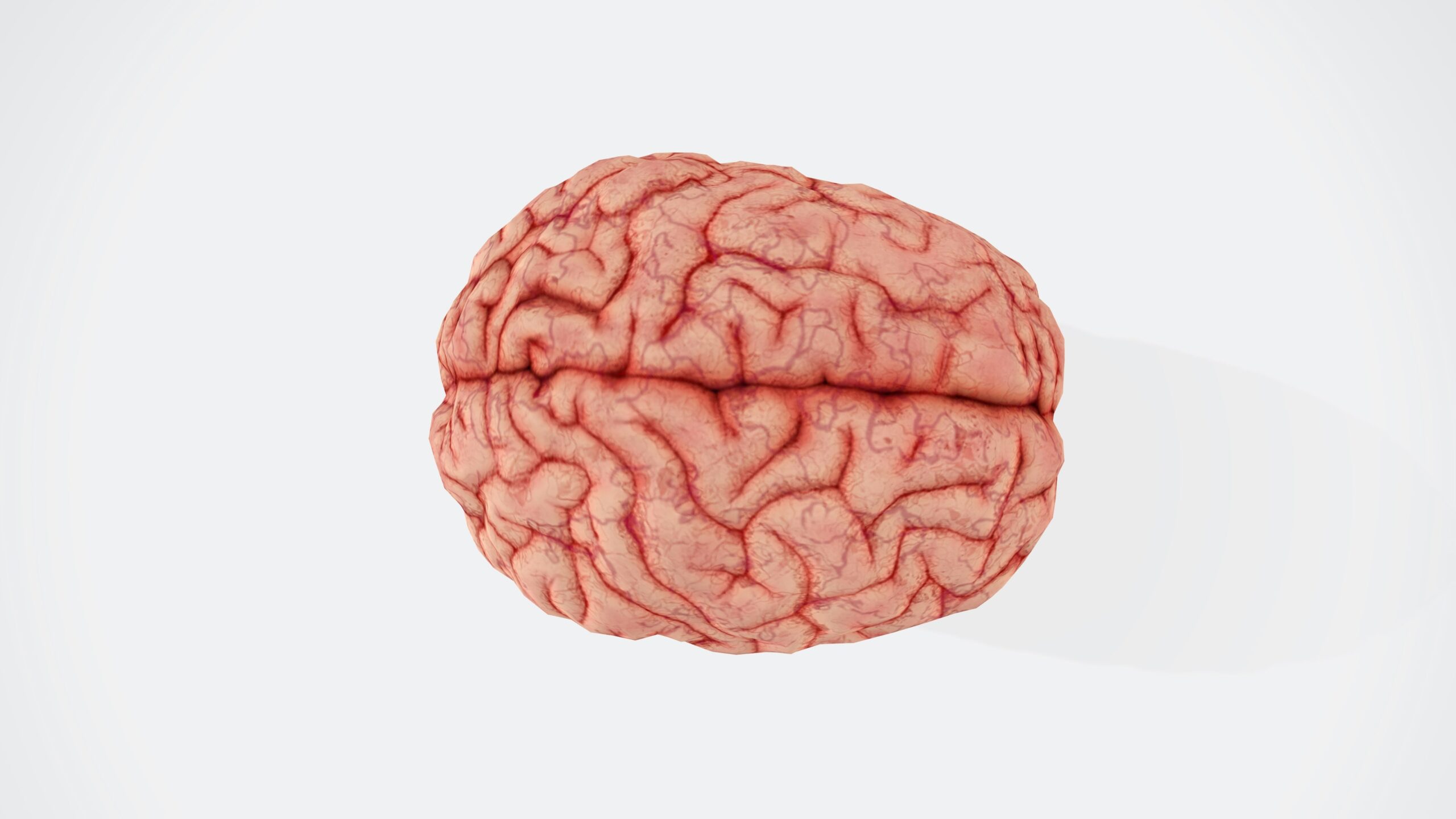
Why does a brain tumor develop? – Many people ask this question, but unfortunately, the causes of most brain tumors are unclear. Brain tumors can fundamentally affect anyone, regardless of lifestyle or age. In the vast majority of cases, a brain tumor occurs randomly, without us being able to identify a specific trigger. However, there are some risk factors and rare known causes:

  • Genetic predisposition: A hereditary component plays a role in a few people. Certain genetic syndromes (e.g., neurofibromatosis, Li-Fraumeni syndrome) can increase the tendency to develop brain tumors. These cases, however, are the exception.
  • Radiation: Prolonged or high-dose ionizing radiation to the head – for example, from radiation therapy in childhood or due to nuclear accidents – can increase the risk of brain tumors. Therefore, the use of radiation therapy is always carefully weighed.
  • Environment and Chemicals: Whether certain chemicals (e.g., solvents, pesticides) or other environmental influences promote the development of brain tumors is being scientifically investigated. So far, there are no confirmed findings here. In particular, no clear link has been proven for everyday mobile phone use and brain tumor risks.

It is important: No one is “to blame” for a brain tumor. Those affected often wonder if stress, a past head injury, or something they did caused the tumor. There is no scientific evidence for such assumptions. Instead of searching for the cause, which cannot be clearly answered, we focus on finding the best possible treatment for you. Our specialist team of neuro-oncologists and neurosurgeons for brain tumors discusses each case individually – so you receive therapy tailored precisely to your tumor and your situation.
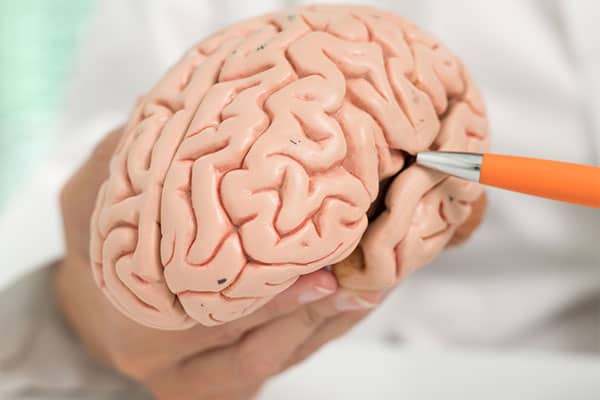
Localized Deficits: Symptoms Depending on the Location of the Brain Tumor

Some symptoms arise because the tumor affects specific areas of the brain. Depending on which area is affected, different functional disorders can occur:

 
Paralysis of one side of the body (hemiplegia) or individual limbs
Cranial nerve palsies
Speech disorders (aphasia)
Motor skill disorders (apraxia)
Problems recognizing people, sounds, or objects, e.g., intact visual perception but inability to recognize faces (agnosia)
Memory problems or forgetfulness (amnesia)

Diagnosis of Brain Tumors

At our Center for Neuro-Oncological Neurosurgery at Beta Klinik Bonn, we accompany you comprehensively – from precise diagnostics to psychooncological support. Our interdisciplinary range of services covers all phases of brain tumor therapy: from precise diagnostics through operative and medicinal treatments to holistic aftercare and practical support.
The investigation and diagnosis of brain tumors at the Center for Neuro-Oncological Neurosurgery includes, in addition to the essential imaging (which today should primarily be done with MRI), neurosurgical biopsy, i.e., tissue sampling.
Besides imaging anatomical structures with or without contrast agent, magnetic resonance imaging (MRI) also allows the visualization of metabolic processes, e.g., through so-called diffusion and perfusion imaging or spectroscopy. Since this involves imaging body functions, it is often referred to as functional magnetic resonance imaging (fMRI). Preoperatively, functional fMRI techniques (e.g., BOLD imaging) and tractography (Diffusion Tensor Imaging, DTI) can be used to visualize brain functions and pathway systems adjacent to the tumor.
A CCT (Cranial Computed Tomography) is used primarily for surgery planning or if questions arise regarding calcifications or other peculiarities that require a CT in addition to MRI.

Your First Step Towards Individualized Brain Tumor Therapy in Bonn Neuro-Oncology

With our findings upload, you can securely and quickly transmit your documents to us. Here you can upload your current medical reports, imaging findings, and other important documents. As soon as we receive them, our medical team will review your case and contact you immediately.
It’s that simple:

  1. Fill out the form: Via our online contact form, you sign the data protection declaration and cost coverage agreement.
  2. Upload documents: Upload your medical documents (e.g., doctor’s letters, surgery reports, self-assessment forms, MRI/CT images).
  3. Case review: Our medical team analyzes your documents and advises you on the best therapy options.
  4. The consultation is often useful as an online meeting in the first step, also to clarify initial open questions. If we recommend diagnostics and therapy, you will quickly receive an in-person appointment.

Center for Neuro-Oncological Neurosurgery in Bonn: Your Brain Tumor Treatment in the Best Hands

As a private specialist and clinic center, we unite at Beta Klinik Bonn over 30 specialists from 20 disciplines under one roof – so we can provide holistic care for brain tumor patients, from the first diagnosis to rehabilitation.
Short distances and a well-coordinated team enable rapid diagnostics and therapy planning. Whether high-precision neurosurgery, the latest chemotherapy concepts, or supportive physiotherapy and psychooncology – you receive an individually tailored brain tumor treatment at our facility according to the latest scientific standards and in a pleasant private atmosphere where you, as a person, are the focus.
Would you like to have your findings reviewed by our doctors? Via our secure findings upload, you can send us your documents directly online. Our neuro-oncology team is happy to offer you a case review and advise you promptly on your options – whether it’s for a second opinion or an initial assessment after diagnosis.
Do you have further questions about the process or other uncertainties? Then you can, of course, also contact us personally. You can reach us by phone at +49 (0)228 909075-0 or anytime via our contact form. Do not hesitate to contact us – we are here for you and will accompany you every step of the way.

Your advantage at Beta Clinic – private specialist and clinical centre in Bonn

All-round medical care under one roof
High professional competence with 30 physicians from 20 specialities
Modern diagnostic procedures directly on site
Out-patient and in-patient surgery options
Own physiotherapy and rehabilitiation centre
Appointments at short notice
This site is registered on wpml.org as a development site. Switch to a production site key to remove this banner.